Craft Heritage Archive
A curated collection of Dutch craftsmanship traditions, preserved and reimagined through sustainable innovation.
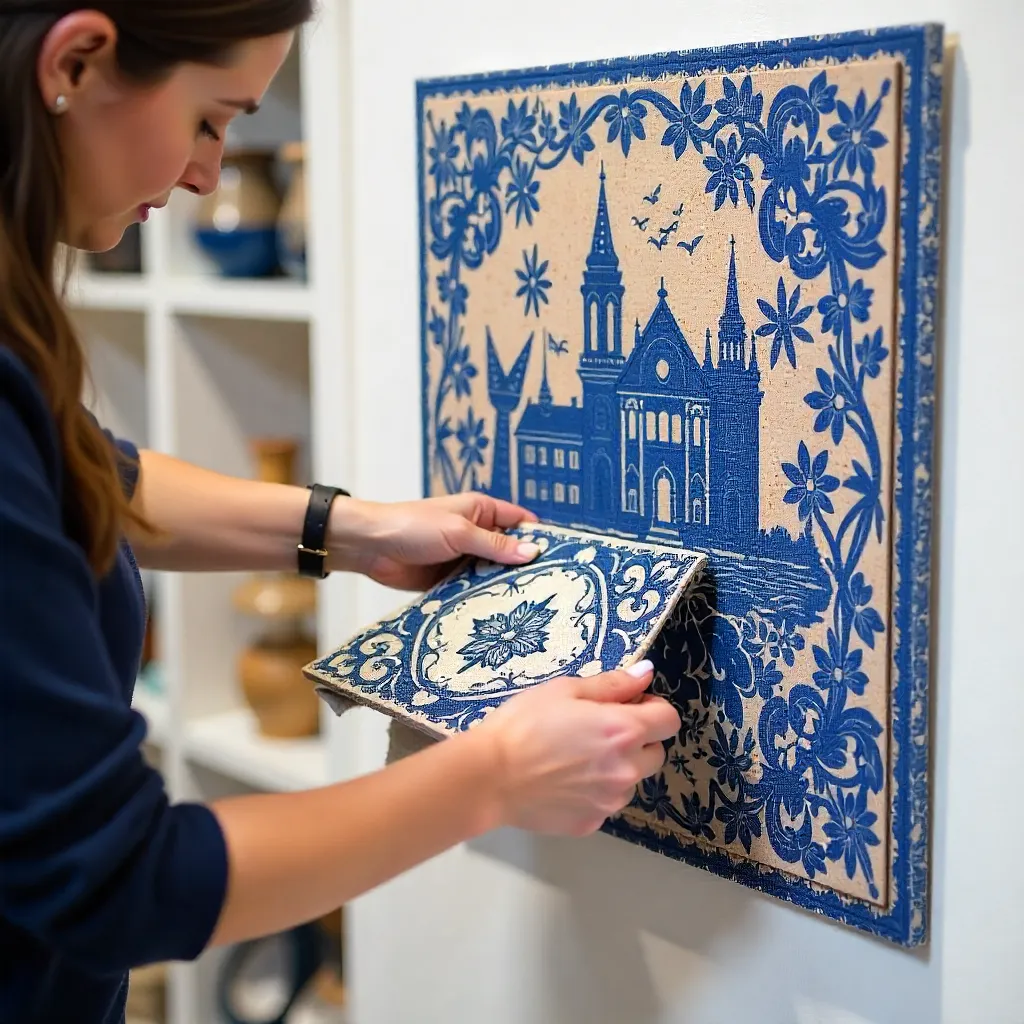
Delft Carving & Engraving
Delft blue ceramics represent one of the most iconic Dutch craft traditions, dating back to the 17th century. The intricate hand-painted patterns and precise carving techniques have been passed down through generations of master artisans.
Modern Sustainable Translation
Today, we recreate these timeless patterns using eco-friendly glazes and recycled clay composites. Our modern approach maintains the visual beauty of traditional Delft while reducing environmental impact through sustainable material sourcing and production methods.
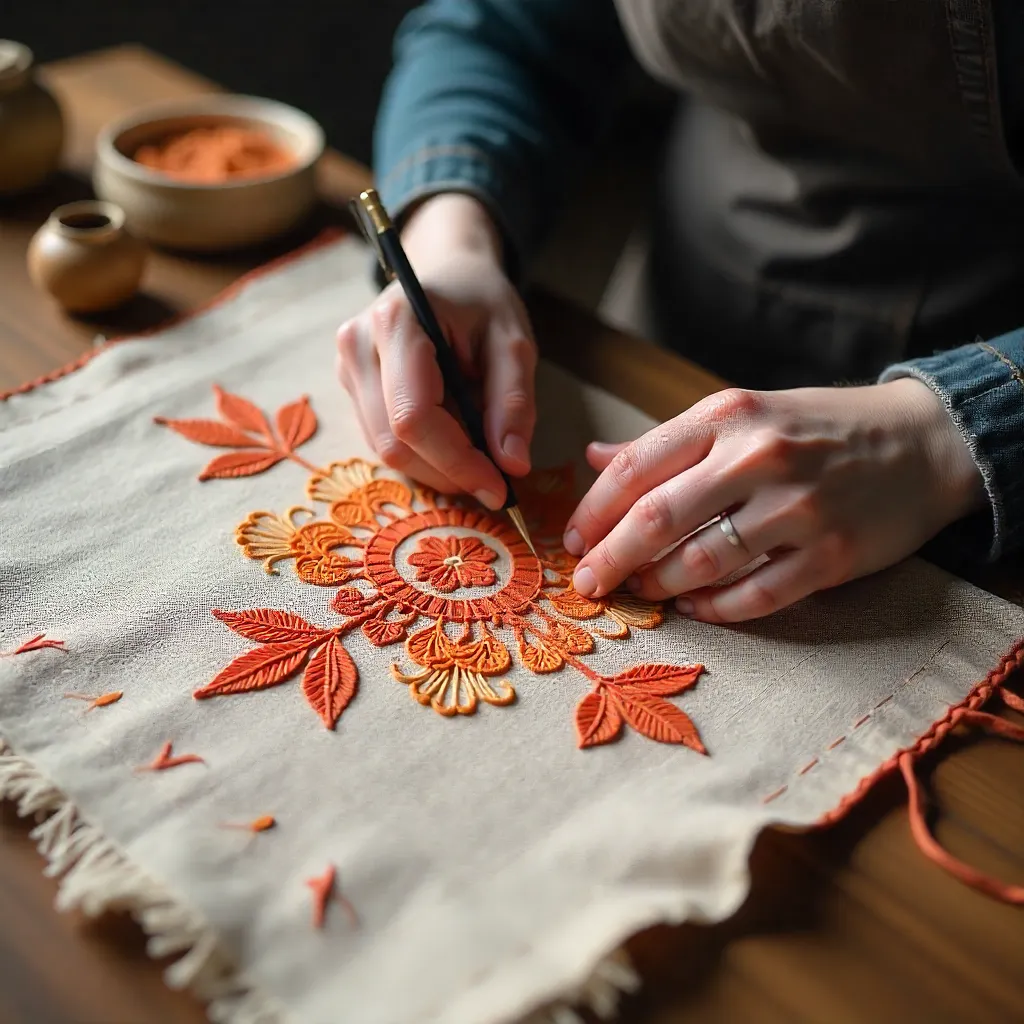
Traditional Dutch Weaving Patterns
Dutch textile heritage encompasses intricate lacework, linen weaving, and traditional fabric patterns that have adorned Dutch homes for centuries. These techniques require exceptional skill and patience, with patterns often taking weeks or months to complete.
Modern Sustainable Translation
We utilize organic flax fibers, recycled cotton threads, and plant-based dyes to create contemporary interpretations of classic Dutch weaving patterns. Our sustainable fibers maintain the durability and beauty of traditional textiles while supporting regenerative agriculture practices.
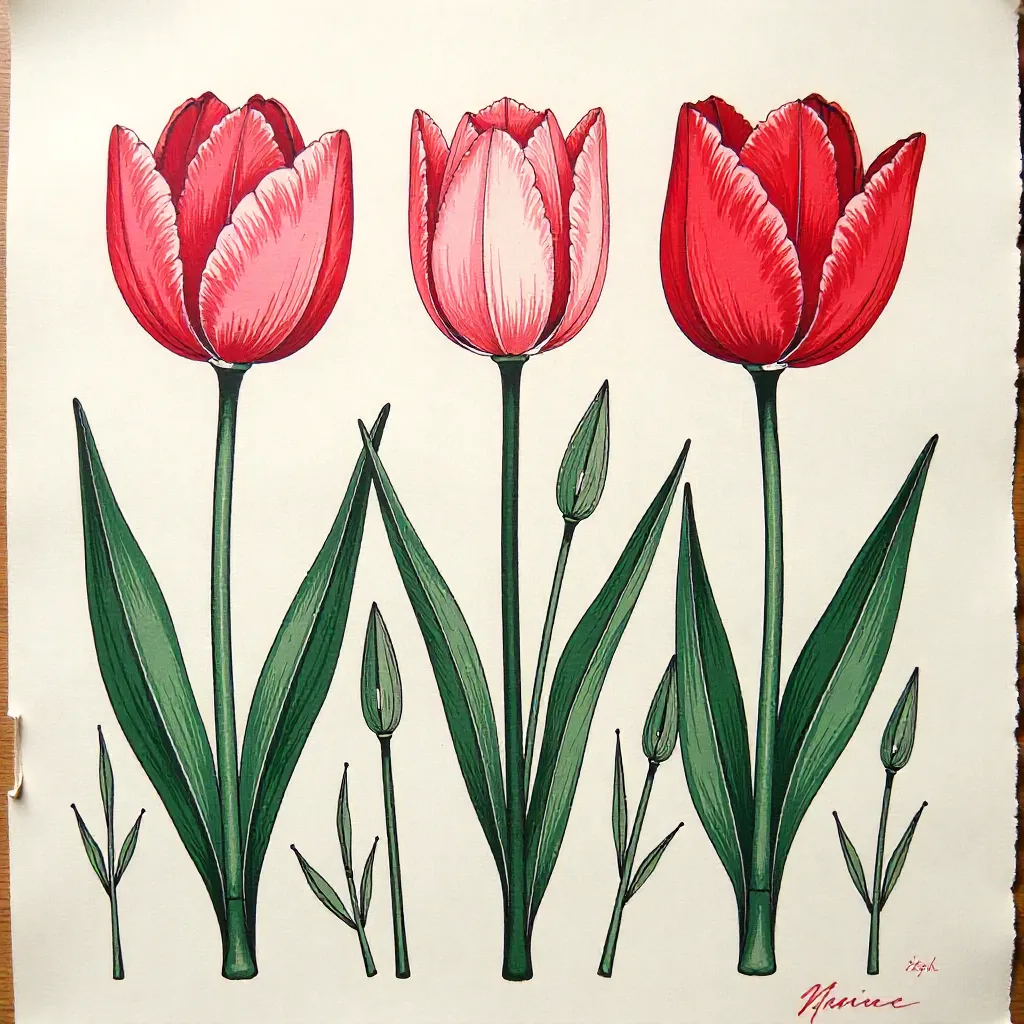
Wooden Joinery Styles from Old Dutch Workshops
Traditional Dutch joinery emphasizes precision, durability, and functional beauty. Master carpenters developed unique jointing techniques that allowed furniture and structures to withstand the test of time without the need for metal fasteners.
Modern Sustainable Translation
Our contemporary joinery uses reclaimed timber, certified sustainable wood, and bio-based adhesives. We preserve traditional jointing techniques while ensuring all materials come from responsibly managed forests or reclaimed sources, maintaining the structural integrity that defines Dutch craftsmanship.

Clay & Ceramics Forming Methods
Dutch ceramic traditions span from functional pottery to decorative tiles, each requiring specific forming techniques. Hand-throwing, coiling, and slab-building methods have been refined over centuries to create pieces that are both beautiful and practical.
Modern Sustainable Translation
We combine traditional forming techniques with natural fiber-reinforced clay composites. Our eco-ceramics incorporate organic materials like hemp and flax fibers, creating stronger, lighter pieces that require less firing time and energy, while maintaining the tactile quality of handcrafted ceramics.
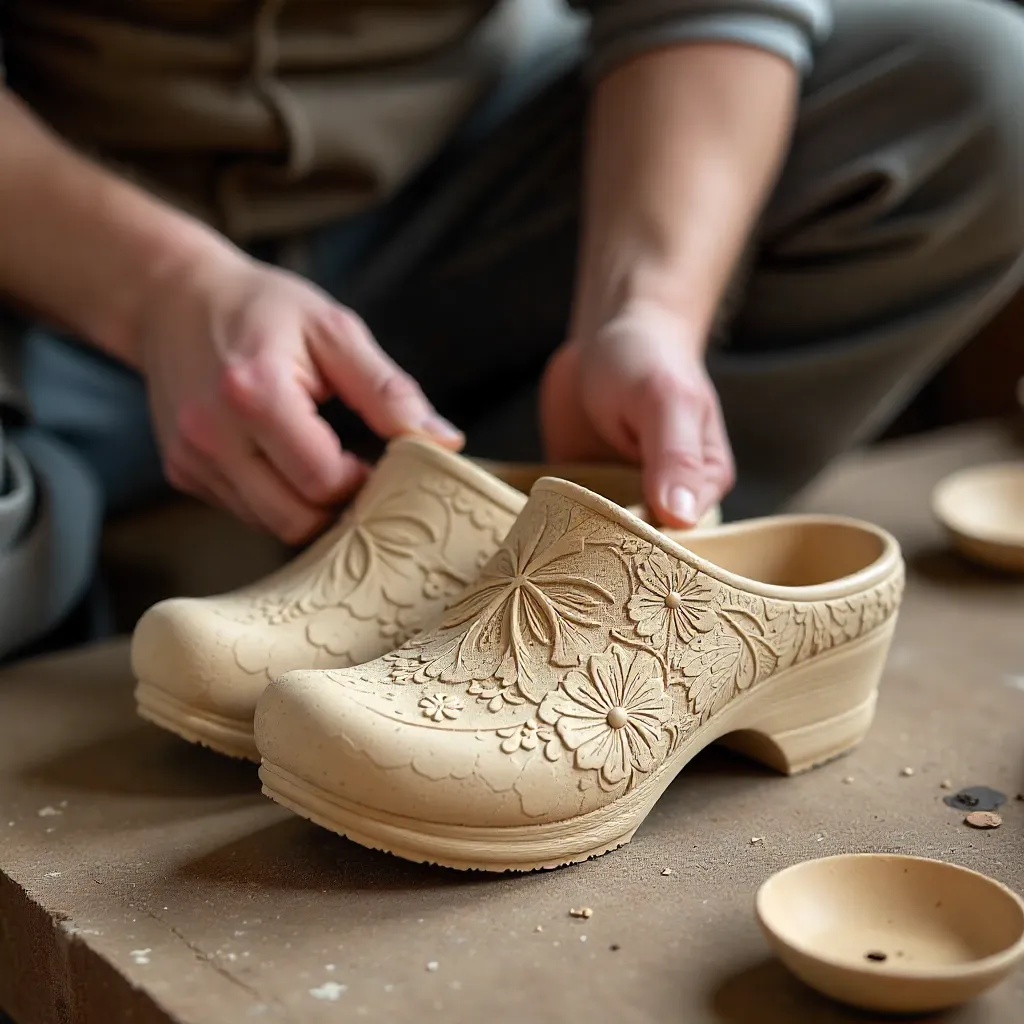
Eco-Friendly Reinterpretations
Each traditional craft technique receives careful consideration for sustainable adaptation. We analyze historical methods to understand their essence, then reimagine them using materials and processes that honor both heritage and environmental responsibility.
Our Approach
Every reinterpretation begins with respect for traditional knowledge, followed by material innovation. We test eco-alternatives extensively, ensuring they meet or exceed the quality standards of original techniques while significantly reducing environmental impact. The result is a bridge between past and future, where heritage craftsmanship thrives in a sustainable world.
Explore More
Material Innovations
Discover the sustainable materials that make our heritage reinterpretations possible.
Visit Materials LabCraft Process
See how traditional techniques are applied with modern eco-materials step by step.
Explore Process Studio