Craft Process Studio
Immerse yourself in the step-by-step journey of creating modern eco-crafted pieces, from initial material selection to final finishing touches.
The Making Process
Each piece undergoes a carefully orchestrated process that honors traditional techniques while embracing sustainable innovation. Explore each stage of creation below.
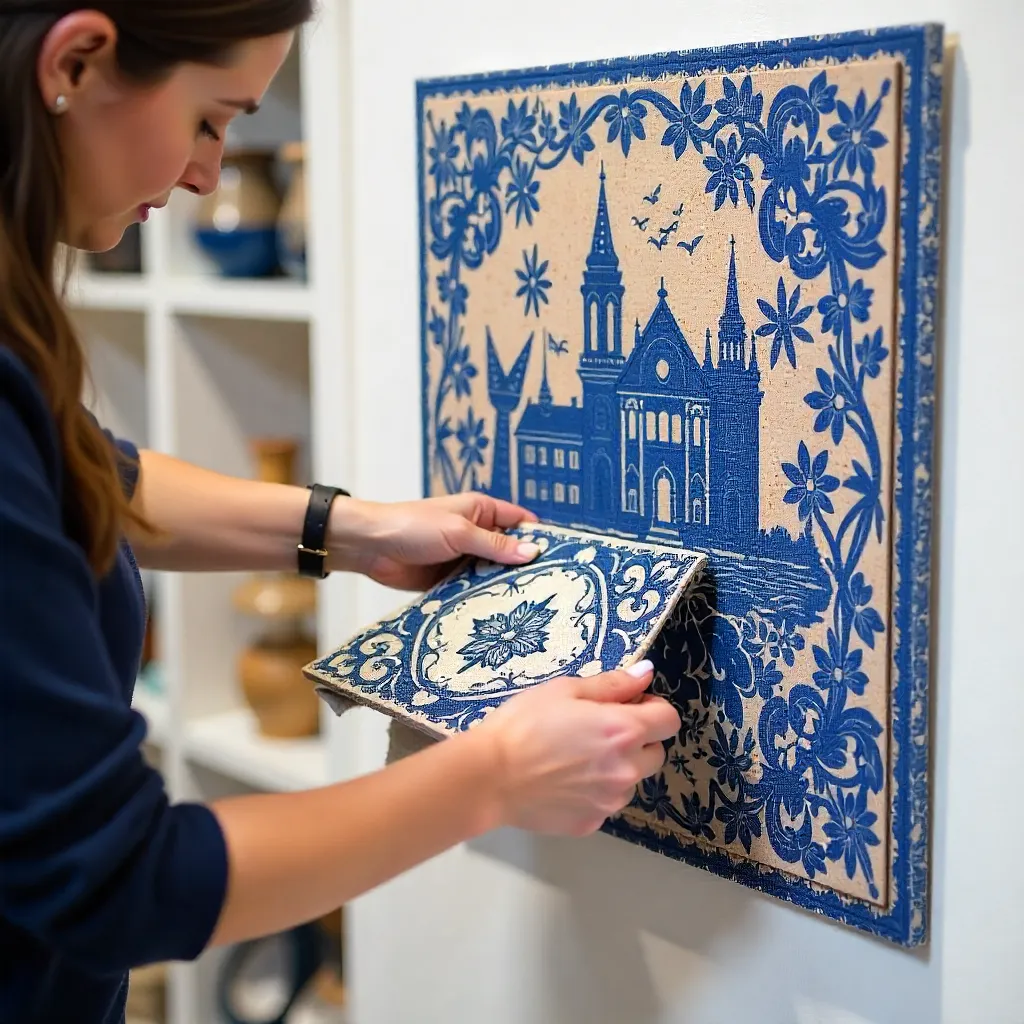
Weaving
Traditional Dutch weaving patterns come to life using organic flax and recycled fiber threads. Each thread is carefully selected and positioned to create intricate designs that echo centuries of textile heritage.
Carving
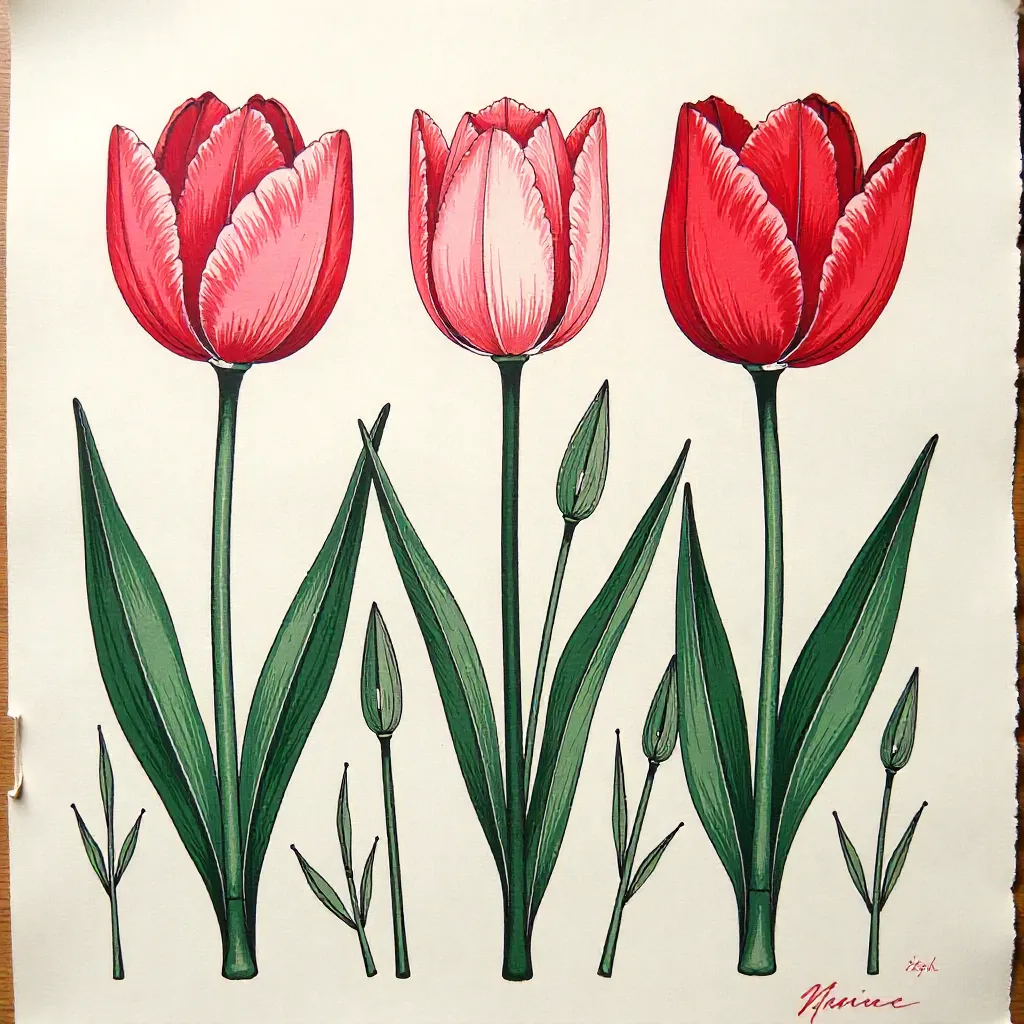
Precision carving techniques transform reclaimed timber and eco-wood laminates into functional and decorative elements. Master artisans apply traditional Dutch joinery methods with modern sustainable materials.
Shaping
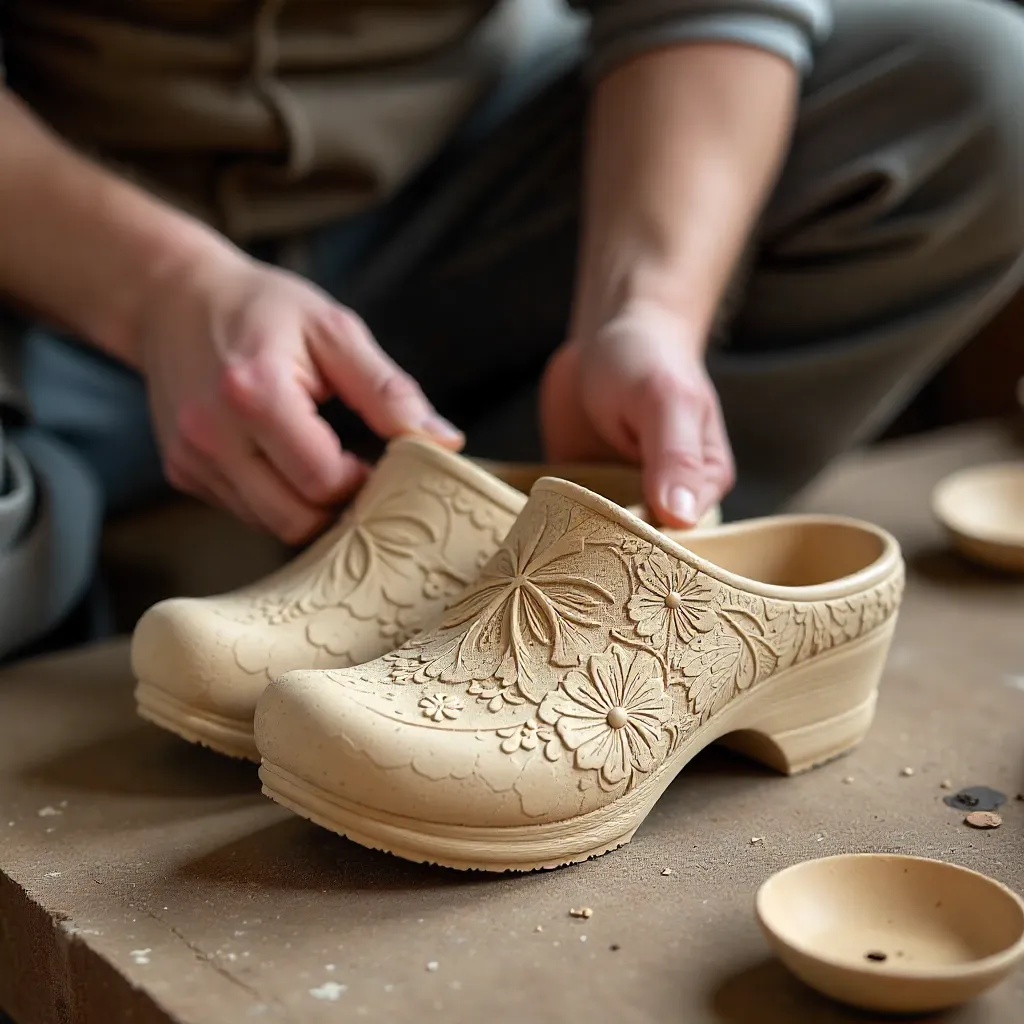
Hand-shaping techniques mold eco-materials into desired forms. Whether working with fiber-reinforced clay, compressed straw composites, or mycelium boards, each piece is carefully formed by skilled hands.
Binding
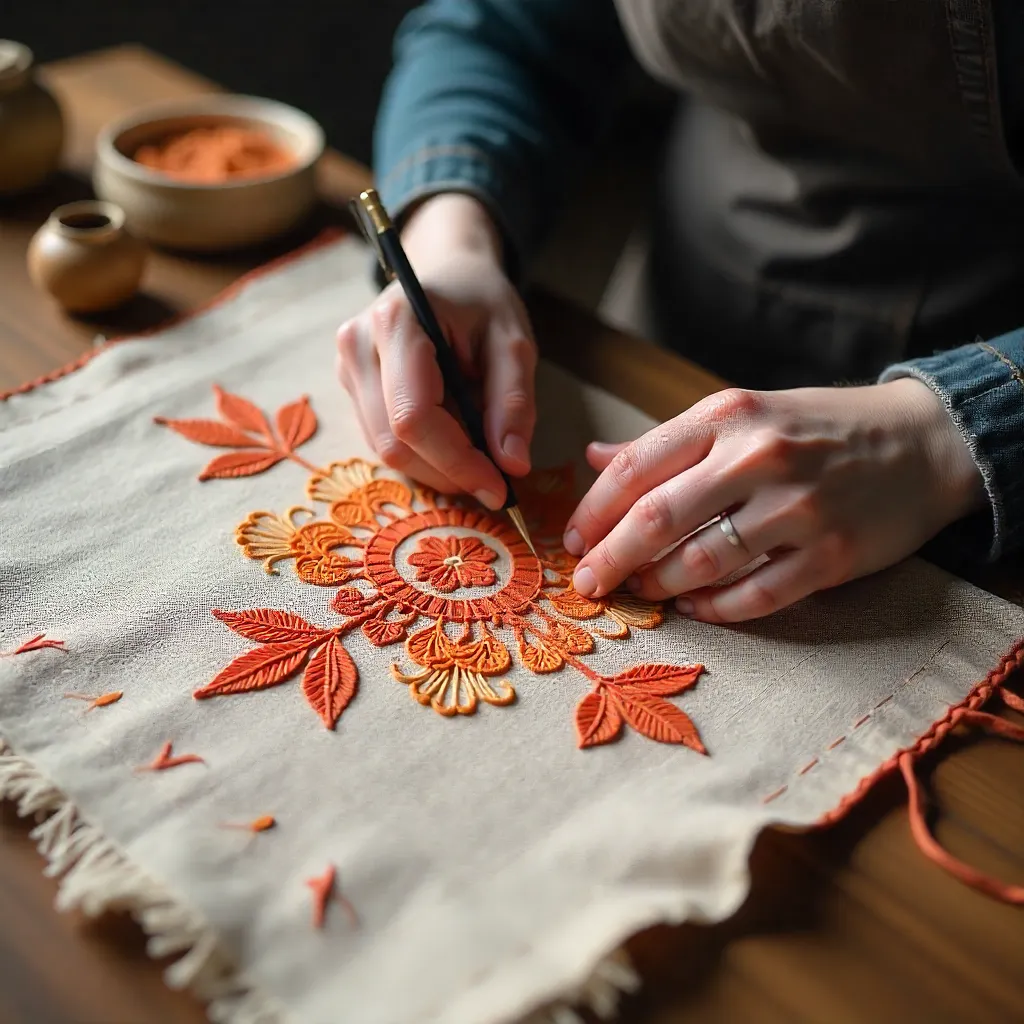
Traditional binding methods secure components using natural fiber cords and bio-based adhesives. These techniques ensure structural integrity while maintaining environmental responsibility throughout the assembly process.
Finishing
The finishing stage brings out the natural beauty of eco-materials through careful sanding, polishing, and surface treatment. Plant-based oils and natural waxes enhance texture while protecting the piece.

Eco-Sealing
Final eco-sealing protects the piece using sustainable sealants derived from natural resins and plant-based compounds. This final step ensures longevity while maintaining our commitment to environmental responsibility.
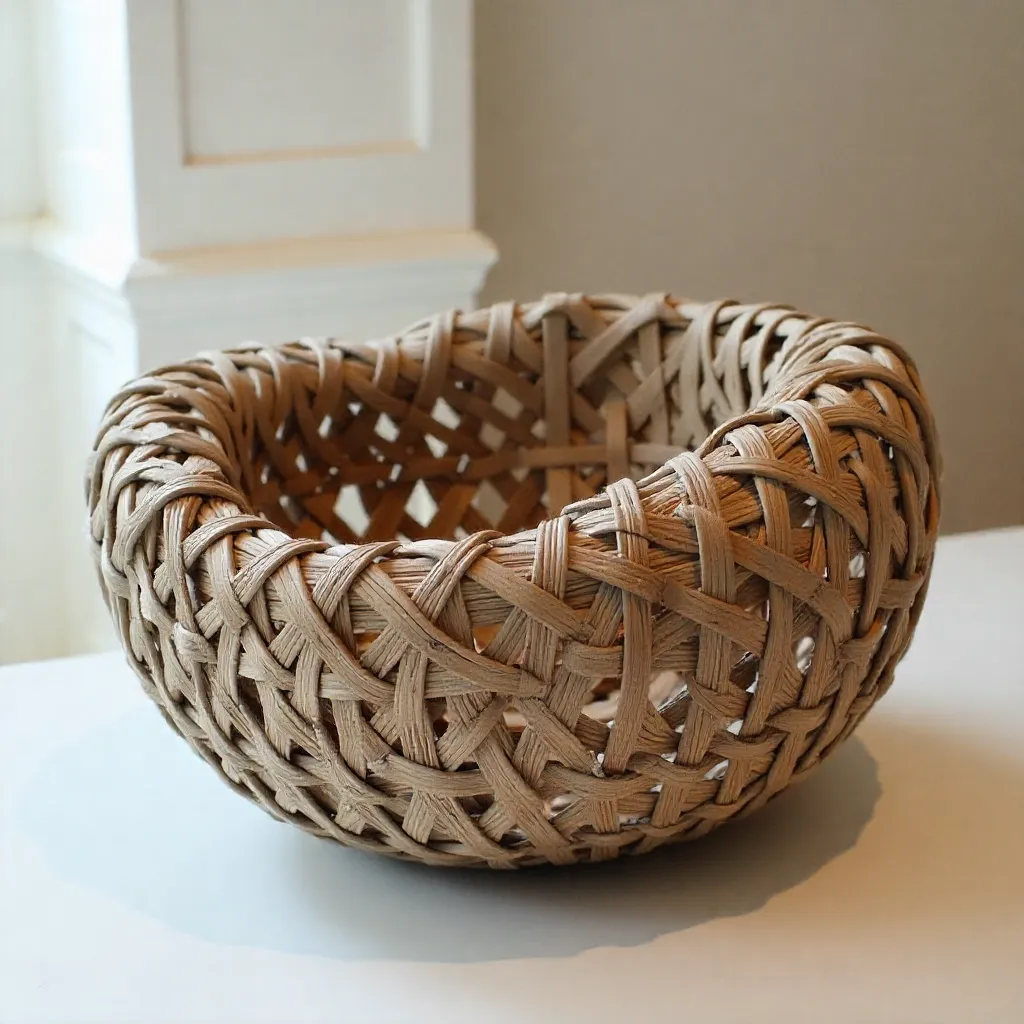
Traditional vs. Sustainable
Traditional Approach
Classic Dutch craft techniques using traditional materials like solid wood, natural clay, and conventional textiles. These methods have been refined over centuries and represent the foundation of our craft heritage.
- Time-tested techniques
- Proven durability
- Rich heritage
Sustainable Version
Modern reinterpretations using eco-materials that maintain the essence of traditional techniques while significantly reducing environmental impact. Each sustainable version honors the original while embracing innovation.
- Reduced carbon footprint
- Sustainable sourcing
- Innovative materials

Tool Details & Techniques
Every tool in our studio has been carefully selected for its compatibility with eco-materials and traditional techniques. From hand-carving tools to eco-friendly adhesives, each instrument plays a crucial role in the creation process.
Hand Tools
Traditional hand tools adapted for working with eco-materials. Each tool is maintained to ensure precision and longevity.
Natural Finishes
Plant-based oils, natural waxes, and eco-friendly sealants that protect and enhance the beauty of sustainable materials.
Eco Adhesives
Bio-based bonding agents that provide strong, durable connections while maintaining environmental responsibility.